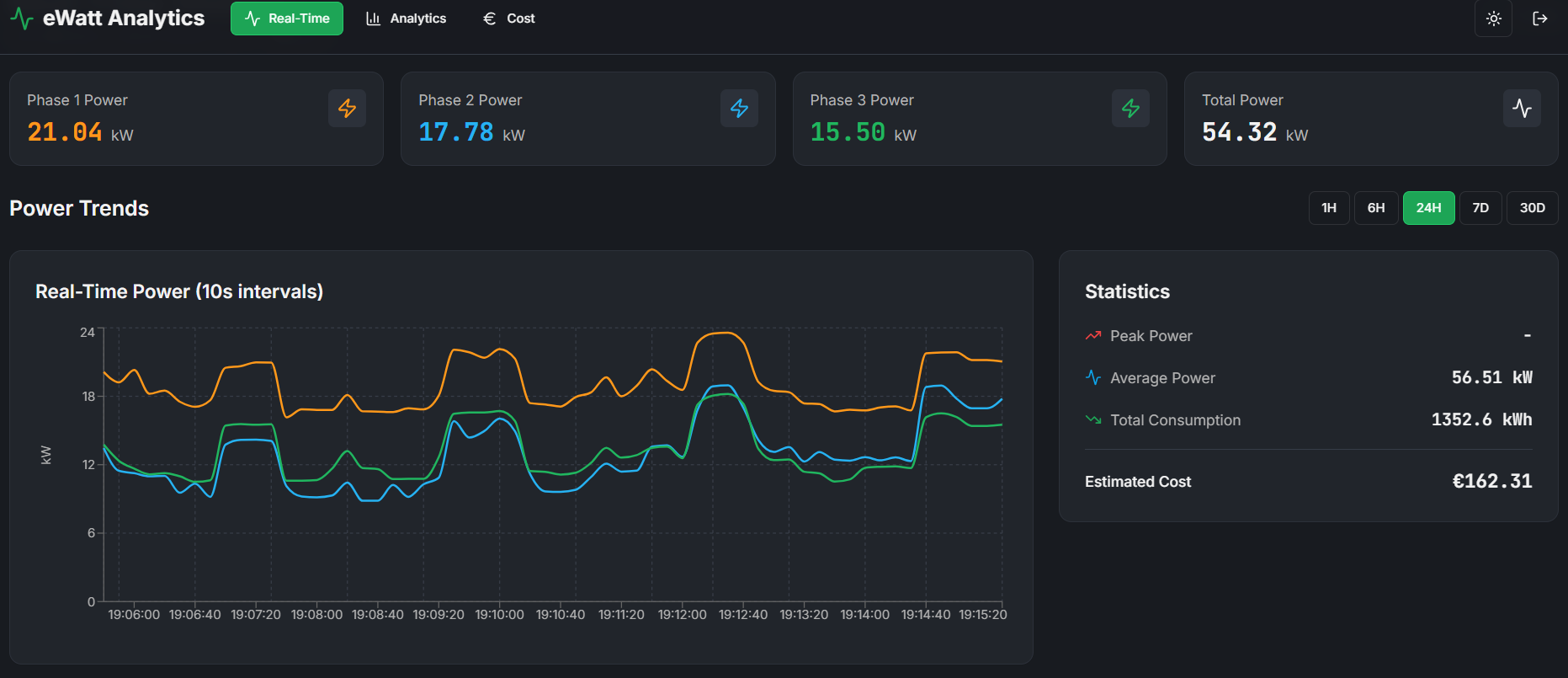

Energy costs continue to rise, while commercial and industrial buildings are expected to operate more efficiently than ever before. As a result, many organizations are investing in energy analytics solutions to gain better visibility into electricity consumption, identify inefficiencies, and reduce operating costs.
However, not all energy monitoring systems provide the same value. Some only display consumption data, while others transform that data into actionable recommendations that help facility managers, property owners, and energy professionals make better decisions.
This guide explains what to look for when choosing an energy analytics solution and how the right platform can support long-term energy performance across commercial buildings, industrial facilities, and multi-site operations.
What Is an Energy Analytics Solution?
An energy analytics solution collects electricity data from meters and monitoring devices, organizes it into meaningful insights, and helps identify opportunities to improve energy efficiency.
Unlike traditional energy monitoring systems, advanced energy analytics solutions do more than display dashboards. They analyze trends, detect anomalies, and provide insights that help organizations reduce unnecessary electricity consumption and improve operational performance.
At eWatt, we take this one step further. Our solution combines high-frequency data collection every 10 seconds, continuous monitoring, automatic anomaly alerts, and expert analysis. Instead of simply presenting energy data, we help customers understand what happened, why it happened, and what actions should be taken to improve energy performance.
A complete energy management solution combines hardware, software, and expert analysis to drive continuous improvement rather than one-time reporting. Learn more about eWatt's approach to Energy Monitoring and Building Energy Management to see how continuous analytics supports better operational decisions.
Why Commercial and Industrial Buildings Need Energy Analytics
Commercial and industrial facilities often have complex electrical systems with multiple loads, equipment, HVAC systems, production lines, and varying operating schedules.
Without detailed analytics it is difficult to understand:
- Which equipment consumes the most electricity
- Where energy is being wasted
- Why electricity costs suddenly increase
- Whether abnormal consumption indicates a developing fault
- Which improvements will provide the highest return on investment
Energy analytics helps answer these questions using real operational data instead of assumptions. For property portfolios, Commercial Building Energy Management combines real-time monitoring with portfolio-level benchmarking so teams can compare performance across sites.
Key Features to Look for When Choosing an Energy Analytics Solution
1. High-Frequency Data Collection
Choose a solution that captures high-frequency electricity data rather than relying only on monthly utility bills or low-resolution interval data.
At eWatt, electrical measurements are collected every 10 seconds, providing a detailed view of how electricity is used throughout the day. This level of detail helps identify short-term anomalies and hidden energy waste that less frequent measurements may miss.
2. Continuous Monitoring
At eWatt, monitoring is continuous rather than periodic. This means unusual consumption patterns can be detected as they occur, allowing organizations to respond before minor issues become costly problems.
3. Intelligent Alerts
eWatt automatically detects abnormal energy consumption and power quality events, sending alerts as soon as unusual behaviour is identified.
Early notifications allow maintenance teams to investigate issues before they lead to unnecessary energy costs or equipment failures.
4. Expert Analysis
Many energy platforms stop at collecting and visualizing data.
eWatt goes one step further.
Our specialists continuously review incoming energy data, investigate anomalies, and provide practical recommendations based on actual operating conditions.
This means customers receive not only alerts, but also expert guidance on what happened, why it happened, and what actions should be taken.
5. Easy Access to Data
Through the eWatt platform, facility managers can access energy data, alerts, and analytics remotely from a single interface.
Decision-makers should be able to access energy information from anywhere. Cloud-based dashboards and mobile access allow facility managers, maintenance teams, and property owners to review energy performance whenever needed.
Role-based access controls also help distribute information appropriately, so operations teams, finance teams, and sustainability officers each see the views most relevant to their decisions.
6. Scalability
The eWatt platform supports monitoring across multiple commercial and industrial buildings, allowing organizations to compare energy performance, identify anomalies, and benchmark sites from a single dashboard.
Multi-site energy management also supports standardized KPIs such as energy use intensity (kWh per m² per year), peak demand per site, and cost per operating hour, enabling fair benchmarking across very different facility types.
7. Why Data Alone Is Not Enough
Collecting data is only the first step.
Many organizations already receive thousands of measurements every day but lack the time and resources to interpret them.
At eWatt, we combine continuous monitoring, automatic alerts, and expert analysis.
Instead of simply delivering dashboards, we help customers understand what happened, why it happened, and what actions should be taken to improve energy performance.
Single-Phase vs Three-Phase Energy Monitoring: Understanding the Difference
Choosing the right monitoring approach starts with understanding the type of electrical system in your building.
Single-phase monitoring is commonly used in smaller commercial spaces such as retail units, offices, cafés, residential buildings, and individual tenant spaces. It is well suited for monitoring lighting circuits, plug loads, and smaller HVAC equipment where electrical demand is relatively low.
Three-phase monitoring is the standard for most commercial and industrial facilities. Manufacturing equipment, large HVAC systems, motors, main distribution boards, EV charging infrastructure, and other high-power electrical systems typically operate on three-phase power.
Because three-phase systems distribute electrical loads across three conductors, they provide higher capacity and greater efficiency—but they also require more advanced monitoring.
A comprehensive three-phase monitoring solution can provide visibility into:
- Energy consumption across all three phases
- Phase imbalance
- Power factor
- Harmonic distortion (THD)
- Voltage events and power quality
- Peak demand and load distribution
These insights help facility managers identify inefficiencies, detect developing electrical issues, and optimize equipment performance before problems become costly.
At eWatt, we support both single-phase and three-phase monitoring, allowing organizations to choose the right solution for each application. Whether monitoring an individual tenant space or an entire industrial facility, our platform collects high-frequency electrical data every 10 seconds and combines it with continuous analytics, automated alerts, and expert interpretation to help customers improve energy performance.
Questions to Ask Before Choosing an Energy Analytics Provider
Before selecting a provider, consider asking:
- Data resolution : How frequently is electricity data collected?
- Anomaly detection : Does the system detect anomalies automatically?
- Real-time alerts : Are alerts generated in real time and delivered through email, SMS, or mobile push notifications?
- Analysis ownership : Who analyzes the collected data, the customer alone or with vendor support?
- Multi-site support : Can the platform monitor multiple buildings under one account?
- Historical data : How many years of historical data are available for long-term analysis and reporting?
- Actionable recommendations : Can the provider deliver recommendations for reducing electricity costs?
- Future expansion : Does the solution support new meters, new sites, and new measurement points without re-engineering?
Common Mistakes When Selecting an Energy Analytics Platform
Many organizations focus only on dashboards. The most common mistakes include:
- Choosing the lowest-cost solution without considering analytics capabilities
- Collecting data without reviewing it regularly
- Relying only on monthly reports
- Ignoring power quality issues such as harmonics and voltage imbalance
- Selecting software that cannot scale as the organization grows
- Underestimating the importance of installation quality and CT placement
Avoiding these pitfalls is often more important than selecting any particular brand of hardware or software.
Why Data Alone Is Not Enough
Many organizations already collect energy data. The challenge is turning that information into actions.
Data becomes valuable only when it helps answer questions such as:
- Why did consumption increase?
- Which equipment caused the change?
- Is this normal compared to similar days or similar buildings?
- Should maintenance be scheduled?
- How can costs be reduced without compromising comfort or production?
This is where continuous analysis and expert interpretation make the difference. Customer Stories from organizations that have moved from basic monitoring to full energy analytics show that the largest gains usually come from changes in operations, not from new capital equipment.
How eWatt Supports Commercial and Industrial Buildings
eWatt Smart Power Systems helps organizations understand how electricity is actually used, not just how much they consume.
The solution combines:
- Continuous electricity monitoring
- Data collection every 10 seconds
- Automatic alerts for abnormal events
- Ongoing expert analysis
- Actionable recommendations
- Support for commercial and industrial buildings
- Energy savings typically ranging between 15 and 40 percent, depending on the facility and its starting point
Rather than simply delivering energy data, eWatt helps customers turn information into better operational decisions across single sites and multi-site portfolios.
Key Takeaways
- An energy analytics solution should do more than display data, it should help you act on it.
- High-frequency data, continuous monitoring, and intelligent alerts are essential features.
- Three-phase devices are the right choice for most commercial and industrial main feeders, while single-phase devices fit smaller sub-metering needs.
- Multi-site support and scalability matter as soon as you operate more than one building.
- Expert analysis transforms raw measurements into measurable savings, typically 15 to 40 percent.
Conclusion
Choosing the right energy analytics solution is one of the highest-impact decisions facility and operations teams can make. The best platforms combine high-frequency measurement, continuous monitoring, intelligent alerts, and expert interpretation to deliver insights that actually change how a building or industrial site is run.
For commercial, industrial, and multi-site operators, the right energy management platform is not just a reporting tool, it is the foundation for sustained cost reduction, better power quality, and stronger sustainability performance.
To explore how a modern energy analytics solution could fit your portfolio, review the eWatt solutions for commercial and industrial sites or get in touch through the Contact page to discuss your specific monitoring needs.
Frequently Asked Questions
What is an energy analytics solution?
An energy analytics solution collects, analyzes, and interprets electricity data to improve energy efficiency and reduce operating costs in commercial buildings, industrial facilities, and multi-site operations.
How is energy analytics different from energy monitoring?
Energy monitoring shows what is happening. Energy analytics explains why it is happening and what actions should be taken.
Can energy analytics help reduce electricity costs?
Yes. By identifying inefficient equipment, abnormal consumption, and hidden energy waste, organizations can often achieve significant reductions in electricity use.
What is the best device for single-phase energy monitoring?
A compact single-phase energy monitor with true RMS measurement, an integrated voltage reference, and cloud connectivity is usually sufficient for branch circuits and small tenant units.
What is the best device for three-phase energy monitoring?
A three-phase device that simultaneously measures all phases plus neutral, supports power quality metrics, and offers flexible CT sizing is the best fit for commercial and industrial main switchboards.
Can one platform monitor multiple buildings?
Yes. eWatt enables organizations to monitor multiple commercial and industrial sites through a single cloud-based platform. This allows facility managers to compare energy performance, identify anomalies, benchmark buildings, and manage distributed portfolios from one interface.
Ready to Choose the Right Energy Analytics Solution?
Book a Meeting